Structural Waterproofing Contractors For UK Buildings
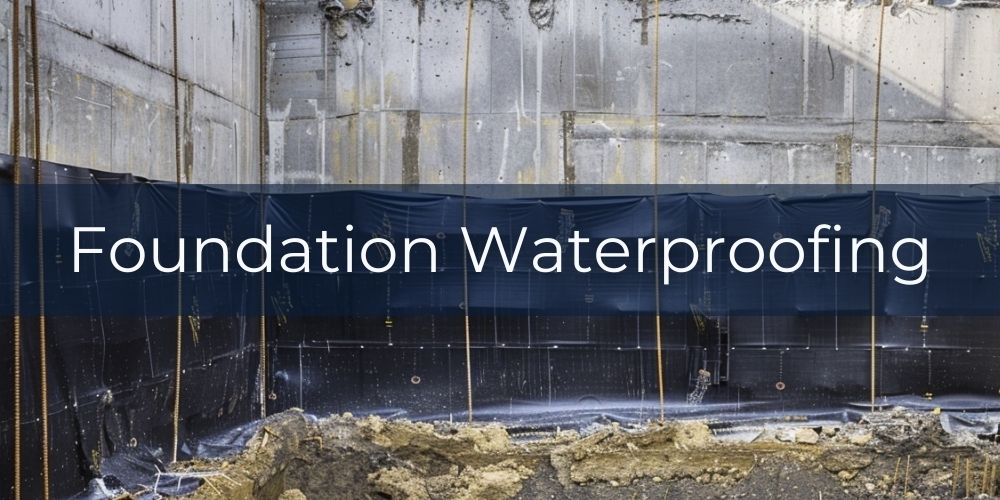
Structural Waterproofing delivers compliance-led waterproofing design support and installation coordination for UK buildings where basements, retaining walls, lift pits, podium interfaces, plant rooms, buried slabs, and other below-ground structures must resist groundwater ingress, damp migration, and long-term moisture-related deterioration. As structural waterproofing contractors, we support new-build and refurbishment projects across the UK, including residential developments, commercial buildings, mixed-use schemes, hotels, healthcare facilities, education estates, infrastructure-linked structures, and complex occupied assets where water exclusion, water management, and maintainable protection must be engineered into the structure from the outset. Structural waterproofing programmes address the main causes of below-ground water risk and building fabric failure, including hydrostatic pressure, variable water tables, lateral penetration through retaining walls, leakage at construction joints, movement at day joints, service-entry vulnerabilities, slab-to-wall junction failures, and loss of continuity between membranes, water-resisting concrete, cavity drain systems, and drainage outlets. UK building stock and site conditions create a wide range of structural waterproofing demands because waterproofing performance is determined not by isolated products, but by continuity across walls, slabs, joints, penetrations, interfaces, terminations, and maintainable drainage points. Every Structural Waterproofing project is structured around evidence-led risk assessment, ground-condition awareness, buildability, interface ownership, inspection discipline, and traceable installation control so the specified waterproofing strategy becomes a verifiable installed system rather than a theoretical drawing package. Structural Waterproofing provides a full range of professional and delivery-focused services, including below-ground waterproofing strategy support, Type A barrier waterproofing systems, Type B structurally integral protection support, Type C drained protection systems, joint waterproofing, penetration sealing, waterproof concrete interface detailing, cavity drain membrane installation, drainage channel coordination, sump and pump integration support, remedial leak investigation, and phased waterproofing works for live and constrained sites. Each service is delivered with a focus on design continuity, sequenced installation, inspection hold points, interface verification, maintainability, and closeout documentation that supports project governance for developers, principal contractors, engineers, architects, asset owners, managing agents, and responsible dutyholders. Closeout outputs commonly include waterproofing zone records, joint-treatment records, penetration-sealing photo sets, membrane continuity records, drainage-layout verification, maintainability information, and as-built documentation that demonstrates how the waterproofing strategy was installed across the structure. By integrating proven structural waterproofing methodologies with continuous barrier protection, maintainable drained protection, controlled interface detailing, and verifiable installation records, Structural Waterproofing reduces residual water-ingress risk while protecting structural performance, internal usability, and long-term asset assurance across UK buildings.
What Is Structural Waterproofing?
Structural waterproofing is the design, coordination, installation, and verification of systems that protect a building structure against water ingress, damp transmission, and groundwater pressure. In the UK, structural waterproofing is most closely associated with below-ground construction and is typically developed in line with BS 8102, ground-risk conditions, intended internal environment, maintainability requirements, and the need for the structure to resist or control water as a complete assembly rather than through isolated products. Structural waterproofing systems commonly include barrier membranes, waterproof concrete, hydrophilic or PVC joint-sealing systems, cavity drain membranes, perimeter drainage channels, sump chambers, pumps, penetration seals, puddle flanges, terminations, and interface detailing where protection must continue across changes in geometry and construction sequence. When a below-ground structure contains discontinuities at joints, unsealed penetrations, poorly coordinated membrane terminations, incomplete drainage routes, or incompatible transitions between protection types, structural waterproofing failure can result in leakage, dampness, trapped moisture, or loss of internal usability. UK structural waterproofing must therefore be engineered around confirmed water risks, structural form, construction methodology, and maintenance access, including hydrostatic pressure, perched water, variable groundwater levels, retaining wall exposure, slab-to-wall junction movement, service-entry density, and sequencing constraints that affect how continuity can be achieved on site. Interfaces are a primary driver of residual waterproofing risk because performance is determined at construction joints, kicker joints, pile caps, wall bases, lift pits, movement joints, service penetrations, head details, and transitions between horizontal and vertical protection zones. Effective structural waterproofing protects the structure and the interfaces together, using continuous barrier systems, integral water-resisting construction, drained protection, or coordinated combined protection where the risk profile requires it. Structural waterproofing is frequently delivered on programme-critical projects and must be planned around excavation stages, reinforcement congestion, pour sequencing, temporary works, follow-on trades, access limitations, and future maintenance obligations. Closeout documentation remains a core requirement, including photographic evidence, membrane zone records, drainage verification, joint-treatment records, penetration-seal records, as-built layouts, and operation and maintenance information for maintainable systems. Ultimately, structural waterproofing converts a structure from a condition of water vulnerability into a verifiable, continuous, and maintainable protection system that supports long-term building durability, usability, and compliance across UK buildings.
Why Is Structural Waterproofing Built for UK Buildings?
Structural Waterproofing is built for UK buildings because groundwater risk, buildability constraints, and long-term waterproofing performance are determined by continuity across the structure, not by the presence of a membrane or drainage product in isolation. UK buildings commonly present complex below-ground geometries, constrained urban sites, refurbishment interfaces, variable soil and water conditions, and programme pressures that require system-level structural waterproofing rather than product-led specification. Structural waterproofing assemblies are layered protection strategies that may combine Type A barrier protection, Type B structurally integral protection, and Type C drained protection with joint sealing, penetration detailing, drainage management, inspection access, and maintainable discharge arrangements. These systems must perform as one coordinated waterproofing strategy across retaining walls, base slabs, construction joints, pile caps, lift pits, service entries, podium edges, thresholds, and changes in level or substrate. When continuity breaks at any of these interfaces, water can track through the structure, bypass localised protection, build pressure behind finishes, or compromise internal environments even if individual components appear correct in isolation. By aligning water-risk assessment, structural form, waterproofing-type selection, interface detailing, drainage planning, installation sequencing, and evidence-led verification into one coordinated programme, Structural Waterproofing delivers structural waterproofing that performs predictably and supports verifiable building assurance across UK buildings.
- This system-level structural waterproofing approach connects continuity, interface control, protection-type selection, construction sequencing, and verification into one coordinated below-ground waterproofing strategy.
- Structural Waterproofing designs structural waterproofing scopes around complete system continuity, ensuring walls, slabs, joints, penetrations, terminations, and drainage paths operate as one coordinated protection strategy.
- Structural Waterproofing targets high-risk interfaces at construction joints, service penetrations, wall-to-slab junctions, lift pits, thresholds, and terminations because these junctions commonly determine residual water-ingress risk.
- Structural Waterproofing applies barrier protection, integral protection, drained protection, or combined protection according to the actual water risk, internal environment, and maintainability requirements of the structure.
- Structural Waterproofing plans delivery around build sequence, access, temporary works, reinforcement congestion, concrete pours, and follow-on trades so waterproofing continuity is not lost during construction.
- Structural Waterproofing integrates inspection records and closeout documentation into delivery so installed works can be verified through membrane continuity records, joint-treatment records, penetration-sealing evidence, drainage-layout records, and as-built documentation.
These system-level structural waterproofing decisions produce the following performance and assurance outcomes:
- System-level waterproofing scope control → aligns walls, slabs, joints, penetrations, and drainage paths → waterproofing continuity is maintained across the full structure
- High-risk interface control → seals vulnerable joints, penetrations, transitions, and terminations → local water-ingress pathways are reduced before they develop into broader failure
- Appropriate protection-type selection → matches groundwater risk to barrier, integral, drained, or combined systems → waterproofing performance is aligned to actual site conditions and internal-use requirements
- Delivery sequencing control → protects continuity through temporary works, reinforcement congestion, pours, trade interfaces, and installation stages → waterproofing integrity is preserved during construction
- Evidence-led closeout documentation → records what was installed, where, and how it interfaces → structural waterproofing can be verified, maintained, and governed over the building lifecycle
The structural waterproofing delivery process below expands these decisions in the same sequence, from system-level scope control and interface risk through protection-type selection, delivery sequencing, and closeout verification.
1. System-Level Scope Control Around Full Waterproofing Continuity
Structural Waterproofing engineers structural waterproofing around the reality that water ingress is controlled by continuity across the whole assembly. Waterproofing systems are not single materials. They are coordinated protection strategies that may include membranes, water-resisting concrete, joint-sealing systems, cavity drain membranes, drainage channels, sumps, pumps, terminations, and penetration details. If a project installs a waterproofing product without correcting joint continuity, penetration sealing, drainage logic, or interface compatibility, the structure can retain concealed leakage pathways that only become visible after finishes are complete and access is restricted. Structural Waterproofing aligns waterproofing scope to the actual structural form and water-exposure condition, using ground-risk information, drawing review, interface mapping, and installation sequencing to ensure the completed protection system performs as a continuous assembly.
2. High-Risk Interface Control at Joints, Penetrations, Transitions, and Terminations
Structural Waterproofing prioritises interface correction because residual waterproofing risk is commonly determined at junctions rather than in open field areas. High-risk interfaces typically include construction joints, day joints, kicker joints, slab-to-wall transitions, pile caps, service penetrations, lift pits, movement joints, door thresholds, podium edges, and membrane terminations. These locations combine geometry complexity, multiple trade interactions, variable substrates, and sequencing pressure, which makes them the most common points for discontinuity, water tracking, and future leakage. Structural Waterproofing assigns explicit interface ownership, coordinates compatible details across adjoining systems, and verifies that membranes, joint seals, drainage paths, and terminations continue through these junctions without unprotected breaks. Correcting these interfaces reduces hidden ingress pathways and prevents the wider structural waterproofing strategy from being undermined by incomplete local detailing.
3. Protection-Type Selection Aligned to Water Risk, Internal Environment, and Maintainability
Structural Waterproofing applies the right protection type to the actual project conditions because structural waterproofing performance depends on matching the system to the site, the structure, and the use of the space. Barrier protection may be appropriate where continuity can be reliably formed and protected. Structurally integral protection may be appropriate where the concrete structure itself is engineered to resist water ingress. Drained protection may be required where water must be controlled and managed within maintainable pathways. In many UK projects, combined protection provides the most robust outcome because it responds to risk concentration, build complexity, and consequences of failure. Structural Waterproofing evaluates these conditions in relation to groundwater pressure, joint density, penetration load, construction tolerances, refurbishment interfaces, future access, and long-term maintenance obligations so the chosen protection strategy is not merely specified, but buildable, durable, and maintainable in practice.
4. Delivery Sequencing Control Through Construction, Access, and Trade Interfaces
Structural Waterproofing plans delivery around the reality that waterproofing continuity can be lost during construction if sequencing is not controlled. Excavation stages, blinding preparation, reinforcement placement, concrete pours, membrane installation, protection layers, follow-on trades, service installation, and drainage coordination all affect whether continuity survives from design into the completed structure. Structural Waterproofing organises build sequence, access, temporary works, reinforcement congestion, concrete operations, and trade interfaces so critical waterproofing details are installed in the correct order and are not damaged, bypassed, or concealed prematurely. This sequencing-led approach protects waterproofing integrity while the structure is being formed and enclosed.
5. Evidence-Led Closeout Verification Across the Building Lifecycle
Structural Waterproofing integrates inspection records and closeout documentation into every structural waterproofing programme because installed works must remain verifiable, governable, and maintainable after completion. Waterproofing performance cannot be treated as assured if membrane continuity, joint treatment, penetration sealing, drainage layout, and maintainability provisions are not recorded as the works progress. Structural Waterproofing captures membrane continuity records, joint-treatment records, penetration-sealing evidence, drainage-layout verification, and maintainability information throughout delivery. This evidence is consolidated into as-built documentation and closeout packs so installed structural waterproofing can be verified, governed, and maintained over the building lifecycle.
What Types of Structural Waterproofing Are Used in UK Buildings?
Structural waterproofing in UK buildings is delivered through Type A barrier protection, Type B structurally integral protection, Type C drained protection, or combined structural waterproofing systems where two or more forms of protection are coordinated into one waterproofing strategy. UK below-ground structures commonly present groundwater pressure, variable water tables, retaining wall exposure, construction-joint vulnerability, service-entry density, and interface complexity that require the waterproofing type to be selected as a system decision rather than a product choice. Structural waterproofing assemblies may rely on continuous barrier membranes, water-resisting concrete, drained cavities, controlled water-management pathways, and maintainable discharge arrangements depending on the actual water risk and intended internal environment. These assemblies must perform as one coordinated waterproofing strategy across retaining walls, base slabs, construction joints, pile caps, lift pits, service penetrations, thresholds, podium interfaces, and changes in level or substrate. When the wrong protection type is selected, or when continuity breaks at these interfaces, water can track through the structure, bypass localised measures, and compromise internal usability even where individual components appear suitable in isolation. By aligning water-risk assessment, structural form, internal performance requirements, maintainability, and buildability into one coordinated selection process, Structural Waterproofing delivers structural waterproofing systems that perform predictably and support verifiable building assurance across UK buildings.
- Structural Waterproofing selects Type A barrier protection where water ingress must be resisted at the structure boundary through continuous membrane or tanking continuity.
- Structural Waterproofing selects Type B structurally integral protection where the structure itself must act as the principal water-resistant element through controlled concrete design, joint detailing, and continuity.
- Structural Waterproofing selects Type C drained protection where water must be controlled, collected, and removed through managed cavity drainage and maintainable discharge pathways.
- Structural Waterproofing selects combined protection where groundwater risk, structural complexity, interface conditions, or the consequences of failure require more than one coordinated line of defence.
- Structural Waterproofing aligns protection-type selection with internal environment requirements, buildability constraints, maintenance access, and long-term verification so the chosen system is not only technically correct, but workable and durable in practice.
These structural waterproofing decisions produce the following performance and assurance outcomes:
- Type A barrier protection → forms a continuous waterproofing barrier at the structure boundary → water ingress is resisted at the outer protection line
- Type B structurally integral protection → uses the structure itself as the principal water-resistant element → waterproofing performance is built into the concrete assembly
- Type C drained protection → controls and removes seepage through managed cavity drainage → internal environments remain usable and maintainable
- Combined structural waterproofing systems → coordinate two or more protection types into one strategy → resilience is increased where single-system dependence creates too much risk
- Protection-type selection aligned to risk and use → matches groundwater conditions, internal performance, and maintainability requirements → structural waterproofing is better aligned to actual site conditions and lifecycle demands
Each of these outcomes results from coordinated structural waterproofing type-selection decisions, which are addressed in detail in the structural waterproofing classification process below.
1. Structural Waterproofing Selects Type A Barrier Protection Where Water Must Be Resisted at the Structure Boundary
Structural Waterproofing selects Type A barrier protection where the waterproofing strategy depends on resisting water ingress at the structure boundary through continuous membrane or tanking protection. Type A structural waterproofing is commonly used where walls, slabs, upstands, joints, penetrations, and terminations can be brought into one continuous barrier zone and protected throughout the construction sequence. The performance of Type A systems depends on continuity across retaining walls, base slabs, pile caps, kicker joints, movement joints, service entries, and transitions between horizontal and vertical surfaces. If continuity is broken at any of these points, water can track behind the barrier and exploit the weakest interface. Structural Waterproofing therefore uses Type A barrier protection where boundary-level exclusion is appropriate and where installation, sequencing, and protection measures can preserve continuity across the full waterproofing zone.
2. Structural Waterproofing Selects Type B Structurally Integral Protection Where the Structure Must Act as the Water-Resistant Element
Structural Waterproofing selects Type B structurally integral protection where the structure itself, typically reinforced concrete, must provide the principal resistance to water ingress. Type B structural waterproofing depends on controlled concrete design, crack control, reinforcement detailing, construction-joint treatment, and continuity across the structural frame so the concrete assembly performs as the primary waterproofing layer. Waterproofing performance is still heavily influenced by day joints, construction joints, slab-to-wall junctions, kicker joints, pile caps, service penetrations, and movement zones where local discontinuities can undermine wider integrity. Structural Waterproofing therefore uses Type B protection where the structural frame can be engineered and delivered as a continuous water-resistant assembly, supported by compatible joint detailing and interface control.
3. Structural Waterproofing Selects Type C Drained Protection Where Water Must Be Controlled and Removed Through Managed Drainage
Structural Waterproofing selects Type C drained protection where water cannot be excluded solely at the structure boundary or where internal usability depends on managed seepage control through maintainable drainage pathways. Type C structural waterproofing commonly uses cavity drain membranes, perimeter drainage channels, collection points, sump chambers, pumps, inspection points, and discharge arrangements to control water after it reaches the structure boundary. Its performance depends on drainage continuity, maintainability, inspection access, and reliable discharge rather than on barrier continuity alone. If drainage routes are blocked, access is lost, pump systems are neglected, or membrane terminations are unresolved, the drained-protection strategy can fail even where the main components appear suitable. Structural Waterproofing therefore uses Type C protection where controlled water management, maintainability, and long-term servicing are essential to the intended internal environment.
4. Structural Waterproofing Selects Combined Protection Where Risk and Consequence Require More Than One Waterproofing Layer
Structural Waterproofing selects combined protection where groundwater pressure, interface complexity, structural form, refurbishment constraints, or the consequences of failure make single-system dependence too vulnerable. Combined structural waterproofing may bring together Type A and Type B, Type B and Type C, or Type A and Type C depending on the actual site conditions and the level of resilience required. This is particularly important on deep basements, constrained urban sites, complex below-ground geometries, refurbishment interfaces, and buildings where water ingress would create major operational, commercial, or compliance consequences. Structural Waterproofing uses combined protection where a layered approach provides more robust continuity, better fault tolerance, and reduced dependence on any one barrier, structural line, or drainage pathway.
5. Structural Waterproofing Aligns Protection-Type Selection With Risk, Internal Use, Maintainability, and Verification
Structural Waterproofing aligns protection-type selection with groundwater risk, internal environment requirements, maintenance access, construction methodology, and long-term verification because the right waterproofing type is not decided by label alone. A barrier system may be technically valid but impractical if continuity cannot be protected through the build. A structurally integral system may be appropriate in principle but weakened by joint density or interface complexity. A drained-protection system may be suitable for the intended use but unreliable if inspection and servicing cannot be maintained. Structural Waterproofing therefore selects protection types by matching the actual risk conditions, internal performance target, buildability constraints, and maintenance reality of the project so the waterproofing strategy can be installed, verified, maintained, and relied upon over the building lifecycle.
Have a question about an upcoming project?
Where Is Structural Waterproofing Used in UK Buildings?
Structural waterproofing is used in UK buildings wherever basements, retaining structures, buried construction, and critical transition zones must resist groundwater ingress, damp transmission, and long-term moisture-related deterioration. UK buildings commonly contain below-ground elements where water risk is driven by hydrostatic pressure, retaining-wall exposure, construction joints, penetrations, level changes, and continuity between horizontal and vertical protection zones. These locations cannot be protected through isolated products alone because waterproofing performance depends on the continuity of the full system across walls, slabs, joints, drainage routes, terminations, and interfaces. Structural waterproofing is therefore used wherever the intended internal environment depends on dry, usable, and maintainable below-ground space, or wherever concealed and buried elements create persistent pathways for water ingress if continuity is lost. By identifying where structural waterproofing is required across the building, Structural Waterproofing ensures that protection is applied to the locations that determine long-term durability, internal usability, and lifecycle performance in UK conditions.
- Structural Waterproofing is used in basements and lower-ground accommodation where occupied, usable, or protected internal environments must be maintained below ground.
- Structural Waterproofing is used in retaining walls and earth-retaining structures where lateral groundwater pressure acts continuously across walls, joints, and wall-to-slab interfaces.
- Structural Waterproofing is used in lift pits, service pits, plant rooms, and below-ground service zones where penetrations, confined geometry, and operational sensitivity concentrate water-ingress risk.
- Structural Waterproofing is used at podium interfaces, thresholds, wall bases, and level transitions where continuity must be maintained between horizontal and vertical waterproofing zones.
- Structural Waterproofing is used in buried slabs, foundations, and concealed below-ground construction where long-term waterproofing reliability must be built into the structure before access is lost.
These structural waterproofing locations produce the following performance and assurance requirements across UK buildings:
- Basements and lower-ground accommodation → require dry, usable, and controlled internal environments → structural waterproofing protects internal performance and long-term usability
- Retaining walls and earth-retaining structures → remain exposed to lateral groundwater pressure and interface vulnerability → continuous waterproofing resistance is required across walls, slabs, and junctions
- Lift pits, service pits, and plant rooms → concentrate penetrations, low points, and maintenance-sensitive conditions → local water-ingress risk must be controlled before it disrupts critical building functions
- Podium interfaces, thresholds, wall bases, and level transitions → connect changing geometry and adjoining waterproofing zones → continuity must be preserved where junction conditions are most vulnerable
- Buried slabs, foundations, and concealed below-ground construction → become difficult to inspect or access after completion → waterproofing reliability must be designed, installed, and verified from the outset
Each of these structural waterproofing locations is addressed below in the same sequence, from basements and retaining structures through service zones, transition interfaces, and concealed below-ground construction.
1. Structural Waterproofing Is Used in Basements and Lower-Ground Accommodation Where Internal Environments Must Remain Dry and Usable
Structural Waterproofing is used in basements and lower-ground accommodation because these spaces depend on controlled internal conditions despite continuous exposure to surrounding ground moisture and groundwater pressure. Residential basements, commercial lower-ground areas, storage zones, circulation spaces, leisure areas, and other occupied or protected internal environments all require structural waterproofing where long-term usability depends on excluding or controlling water below ground. Waterproofing performance in these spaces is determined by the continuity of the system across below-ground walls, base slabs, construction joints, penetrations, drainage interfaces, and transitions into adjoining structural elements. Structural Waterproofing therefore applies structural waterproofing in basements and lower-ground accommodation where asset value, internal usability, and building performance depend on a coordinated waterproofing strategy rather than reactive leak management after completion.
2. Structural Waterproofing Is Used in Retaining Walls and Earth-Retaining Structures Where Lateral Groundwater Pressure Must Be Controlled
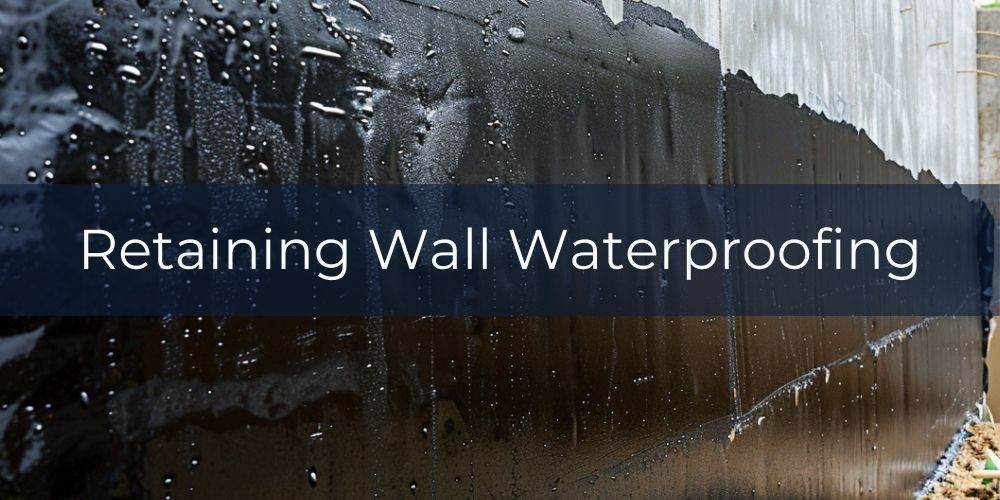
Structural Waterproofing is used in retaining walls and earth-retaining structures because these elements remain in direct contact with ground moisture, perched water, and hydrostatic pressure across large structural surfaces and critical interfaces. Waterproofing performance in retaining structures depends not only on the face of the wall, but on continuity at wall-to-slab junctions, pile caps, kicker joints, movement joints, service penetrations, and transitions into adjoining below-ground construction. If retaining walls are not protected as part of one continuous structural waterproofing system, water can track through joints, bypass localised measures, and compromise adjacent internal spaces. Structural Waterproofing therefore applies structural waterproofing in retaining walls and earth-retaining structures where long-term resistance to lateral water ingress is essential to the wider performance of the below-ground building envelope.
3. Structural Waterproofing Is Used in Lift Pits, Service Pits, Plant Rooms, and Below-Ground Service Zones Where Local Water-Ingress Risk Is Intensified
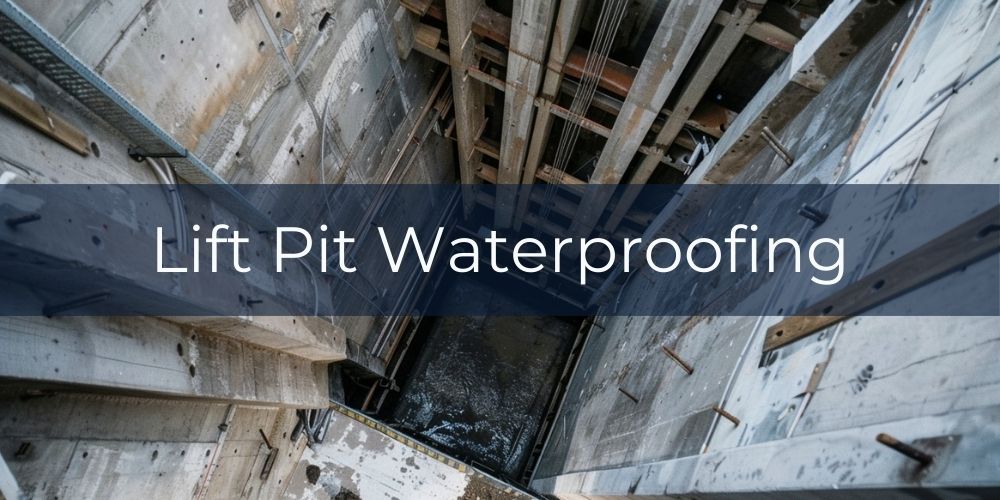
Structural Waterproofing is used in lift pits, service pits, plant rooms, and below-ground service zones because these locations combine low points in the structure, dense penetrations, confined geometry, and high operational sensitivity. Lift pits often concentrate groundwater exposure, joint vulnerability, and drainage dependence at the deepest parts of the structure. Plant rooms and service zones often introduce multiple service entries, terminations, maintenance requirements, and equipment interfaces that increase both the likelihood and consequences of localised waterproofing failure. Structural Waterproofing therefore applies structural waterproofing in these service-critical locations where pits, penetrations, junctions, and drainage routes must remain protected to preserve operational continuity, maintenance access, and long-term service performance.
4. Structural Waterproofing Is Used at Podium Interfaces, Thresholds, Wall Bases, and Level Transitions Where Waterproofing Continuity Must Be Preserved Across Changing Geometry
Structural Waterproofing is used at podium interfaces, thresholds, wall bases, and level transitions because these locations create vulnerable junctions between horizontal and vertical waterproofing zones, changing substrates, and different exposure conditions. Waterproofing failures frequently occur at these transitions not because the main field areas are defective, but because continuity is lost where geometry, level, or adjoining construction changes. Podium edges, threshold details, wall bases, stepped slabs, and transitions between buried and exposed elements therefore require structural waterproofing to be detailed and installed as one continuous system. Structural Waterproofing applies structural waterproofing at these interfaces where continuity across changing geometry determines whether the wider waterproofing strategy remains intact.
5. Structural Waterproofing Is Used in Buried Slabs, Foundations, and Concealed Below-Ground Construction Where Long-Term Protection Must Be Built In Before Access Is Lost
Structural Waterproofing is used in buried slabs, foundations, and concealed below-ground construction because these structural elements become difficult, disruptive, or uneconomic to access once the building is complete. Waterproofing failures in concealed construction may remain hidden until leakage, dampness, or deterioration appears in adjoining areas, at which point remedial access is significantly more complex and expensive. Buried slabs, foundation interfaces, ground-bearing elements, and other concealed below-ground zones therefore require structural waterproofing to be selected, detailed, installed, and verified correctly from the outset. Structural Waterproofing applies structural waterproofing in these concealed locations where long-term durability depends on built-in continuity, controlled detailing, and reliable protection before the construction is enclosed or permanently covered.
What Does Structural Waterproofing in the UK Require for Basements, Retaining Structures, and Below-Ground Construction?
Structural waterproofing in the UK requires a coordinated below-ground waterproofing strategy that matches groundwater conditions, structural form, intended internal environment, continuity demands, maintainability, and long-term verification across the full assembly. Basements, retaining structures, lift pits, plant rooms, buried slabs, foundations, and transition zones cannot be protected through isolated products alone because waterproofing performance is determined by how the system continues across walls, slabs, joints, penetrations, drainage routes, terminations, and interfaces. Structural waterproofing in the UK therefore requires system-led design, protection-type selection, interface detailing, sequencing control, and evidence-led verification rather than nominal product suitability in isolation. Where hydrostatic pressure, retaining exposure, service-entry density, level changes, drainage dependency, or maintenance constraints are present, the requirements become more dependent on coordinated continuity, controlled water management, and buildable installation logic. By aligning these requirements to actual below-ground conditions, structural waterproofing can remain durable, usable, maintainable, and verifiable across the building lifecycle.
- Structural waterproofing requires water-risk assessment and protection-type selection that match groundwater exposure, retaining conditions, and the intended internal environment.
- Structural waterproofing requires continuity across walls, slabs, joints, penetrations, terminations, and transitions so below-ground waterproofing does not fail at interfaces.
- Structural waterproofing requires maintainable drainage logic, inspection access, and serviceability wherever drained protection or controlled water-management pathways form part of the system.
- Structural waterproofing requires installation sequencing, temporary works coordination, and trade-interface control so waterproofing continuity is preserved during construction.
- Structural waterproofing requires inspection records, as-built verification, and closeout documentation so installed waterproofing can be understood, maintained, and relied upon after completion.
These structural waterproofing requirements produce the following performance and assurance outcomes across UK below-ground construction:
- Water-risk assessment and protection-type selection → match the waterproofing strategy to groundwater exposure, retaining conditions, and internal-use requirements → structural waterproofing is aligned to actual site risk
- Continuity across walls, slabs, joints, penetrations, terminations, and transitions → protects the junctions where water most commonly bypasses localised measures → waterproofing performance is maintained across the full assembly
- Maintainable drainage logic and inspection access → keep drained protection systems serviceable, inspectable, and diagnosable over time → internal environments remain usable where water must be controlled rather than excluded entirely
- Installation sequencing and trade-interface control → prevent continuity loss during pours, membrane works, penetrations, temporary works, and follow-on construction → waterproofing integrity is preserved through delivery
- Inspection records and closeout documentation → verify what was installed, where it was installed, and how it interfaces → structural waterproofing can be governed, maintained, and relied upon over the building lifecycle
Each of these requirements is expanded below in the same sequence, from water-risk assessment and continuity control through drainage maintainability, installation sequencing, and lifecycle verification.
1. Water-Risk Assessment and Protection-Type Selection Aligned to Site Conditions
Structural waterproofing in the UK requires water-risk assessment and protection-type selection because below-ground construction is shaped by groundwater pressure, variable water tables, perched water, retaining exposure, service-entry density, and the consequences of water ingress within the intended internal environment. The suitability of barrier protection, structurally integral protection, drained protection, or combined systems depends on the actual site condition and the required performance of the space, not on product preference alone. Basements, retaining walls, plant rooms, service zones, and buried structures each present different combinations of water pressure, interface complexity, access constraints, and maintenance reality. Structural waterproofing therefore requires assessment-led selection so the chosen strategy reflects real groundwater exposure, structural form, and lifecycle use rather than a generic below-ground assumption.
2. Continuity Across Walls, Slabs, Joints, Penetrations, Terminations, and Transitions
Structural waterproofing in the UK requires continuity across walls, slabs, joints, penetrations, terminations, and transitions because below-ground waterproofing commonly fails at interfaces rather than in open field areas. Construction joints, kicker joints, slab-to-wall junctions, pile caps, service penetrations, lift pits, wall bases, membrane terminations, and transitions between horizontal and vertical waterproofing zones all create points where water can bypass otherwise sound protection if continuity is lost. Waterproofing performance is therefore determined by how the system continues through geometry changes, structural interfaces, and adjoining elements rather than by the presence of isolated components alone. Structural waterproofing requires full-assembly continuity so vulnerable junctions do not become concealed pathways for leakage, damp transmission, or long-term deterioration.
3. Maintainable Drainage Logic and Inspection Access Where Water Must Be Controlled
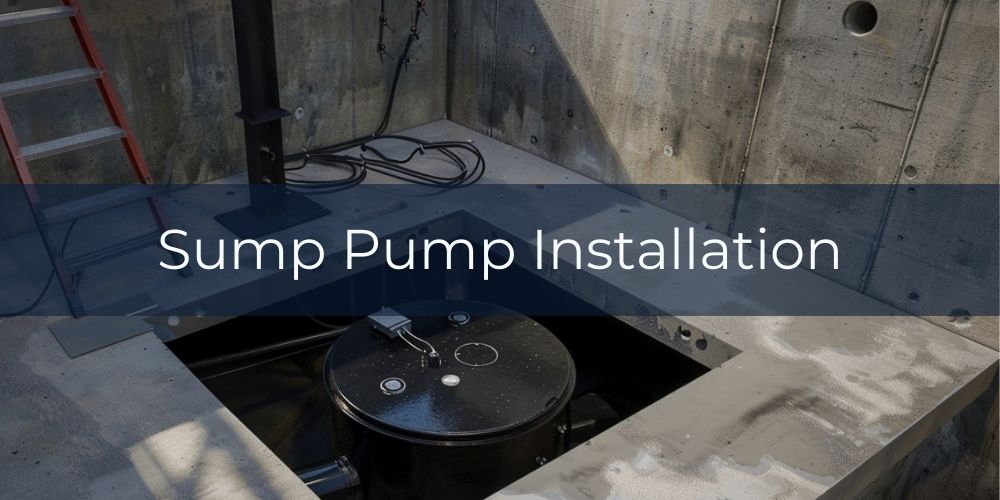
Structural waterproofing in the UK requires maintainable drainage logic and inspection access wherever drained protection, cavity drainage, sump systems, or controlled water-management pathways form part of the waterproofing strategy. Drained protection cannot be treated as a passive layer because its long-term performance depends on serviceability, access, discharge continuity, and the ability to inspect, maintain, and diagnose the system after completion. In basements, service zones, retaining structures, and other below-ground areas where water is managed rather than excluded entirely, drainage routes, channels, collection points, sump chambers, pumps, and inspection provisions must remain coordinated with the wider waterproofing assembly. Structural waterproofing therefore requires drainage logic that is not only technically correct at design stage, but maintainable in practice over the life of the building.
4. Installation Sequencing and Trade-Interface Control During Construction
Structural waterproofing in the UK requires installation sequencing and trade-interface control because below-ground waterproofing continuity can be lost during construction even where the design intent is technically sound. Excavation stages, blinding preparation, reinforcement placement, concrete pours, membrane installation, service penetrations, protection layers, temporary works, and follow-on trades all affect whether critical waterproofing details survive into the completed structure. If sequencing is poorly controlled, membranes can be damaged, joints can be bypassed, penetrations can be introduced without compatible sealing, and interface continuity can be lost before the structure is enclosed. Structural waterproofing therefore requires sequencing-led delivery so the order of works, trade interfaces, and temporary site conditions preserve the continuity of the waterproofing system during construction.
5. Inspection Records and Closeout Documentation for Long-Term Verification
Structural waterproofing in the UK requires inspection records and closeout documentation because installed below-ground waterproofing must remain verifiable, governable, and maintainable after completion. Waterproofing performance cannot be assumed if membrane continuity, joint treatment, penetration sealing, drainage layout, maintainability provisions, and interface conditions are not recorded as the works progress. Long-term reliance on structural waterproofing depends on evidence that the specified strategy was actually installed as a continuous and coordinated system. Structural waterproofing therefore requires inspection records, as-built verification, and closeout documentation so the completed waterproofing can be understood, maintained, and governed across the building lifecycle rather than treated as concealed work with no reliable audit trail.
How Is Structural Waterproofing Priced for UK Buildings?
Structural waterproofing pricing for UK buildings is driven by water risk, waterproofing type, interface complexity, access conditions, sequencing demands, and the level of verification required to deliver a durable below-ground system. Structural waterproofing is not priced as a simple square-metre product because basements, retaining structures, lift pits, plant rooms, buried slabs, foundations, podium interfaces, and transition zones each create different combinations of groundwater exposure, detailing intensity, buildability constraints, and maintainability obligations. The cost of structural waterproofing is therefore determined by how much coordinated design, protection-type selection, interface control, drainage provision, installation management, and closeout evidence are required to protect the structure over the long term. Where projects involve hydrostatic pressure, difficult access, dense penetrations, complex junctions, combined protection, or intensive documentation requirements, pricing becomes more dependent on delivery complexity and risk control than on area alone. By aligning cost to the real technical and operational demands of the project, structural waterproofing pricing reflects the actual level of continuity, protection, and lifecycle assurance required on UK buildings.
- Structural waterproofing pricing is driven by groundwater exposure, retaining conditions, and the level of water risk the system must resist or manage.
- Structural waterproofing pricing is driven by the protection type selected, including barrier protection, structurally integral protection, drained protection, or combined systems.
- Structural waterproofing pricing is driven by interface density at joints, penetrations, terminations, thresholds, lift pits, service zones, and transitions where detailing complexity increases labour and verification demands.
- Structural waterproofing pricing is driven by access constraints, temporary works, sequencing demands, and trade coordination where waterproofing continuity must be preserved during construction.
- Structural waterproofing pricing is driven by inspection records, as-built verification, maintainability provisions, and closeout documentation where the completed waterproofing must remain governable and reliable over the building lifecycle.
These structural waterproofing cost drivers produce the following pricing and delivery outcomes across UK below-ground construction:
- Groundwater exposure and water risk → increase the level of protection, detailing, and control required → structural waterproofing cost rises with the severity of site conditions
- Protection-type selection → changes the balance between membranes, concrete performance, drainage systems, combined protection, and servicing needs → structural waterproofing pricing reflects the selected waterproofing strategy
- Interface density and detailing complexity → increase labour, sequencing care, and verification requirements at vulnerable junctions → structural waterproofing cost rises where continuity is harder to achieve
- Access constraints and construction sequencing → affect productivity, temporary works, trade coordination, and protection of completed details → structural waterproofing delivery cost rises where build conditions are more difficult
- Inspection records and closeout documentation → add evidence capture, as-built control, maintainability information, and lifecycle assurance to the scope → structural waterproofing pricing reflects the level of governance required after completion
Each of these cost drivers is expanded below in the same sequence, from groundwater exposure and protection-type selection through interface complexity, sequencing constraints, and lifecycle verification.
1. Groundwater Exposure and Water Risk Drive Structural Waterproofing Cost
Structural waterproofing pricing in the UK begins with groundwater exposure and water risk because below-ground construction does not carry a uniform level of pressure, seepage, retaining exposure, or failure consequence. Basements, retaining walls, buried slabs, lift pits, and service zones can be subject to variable water tables, perched water, hydrostatic pressure, lateral moisture loading, and concentrated ingress risk at low points or critical interfaces. As groundwater exposure increases, the waterproofing strategy usually requires more robust detailing, more careful protection-type selection, and higher levels of continuity control. Structural waterproofing cost therefore rises where the site presents greater water pressure, more persistent moisture exposure, or more severe consequences if water enters the structure.
2. Protection-Type Selection Changes the Structural Waterproofing Pricing Model
Structural waterproofing pricing is strongly influenced by the protection type selected because barrier protection, structurally integral protection, drained protection, and combined systems create different material, labour, sequencing, maintenance, and verification demands. Type A barrier protection may require extensive membrane continuity, substrate preparation, and protection of installed waterproofing during subsequent works. Type B structurally integral protection may shift cost into concrete design, crack control, construction-joint treatment, and delivery accuracy. Type C drained protection may increase the requirement for cavity membranes, drainage channels, sumps, pumps, inspection access, and long-term servicing logic. Combined systems can improve resilience, but they also increase coordination, interface management, and installation complexity. Structural waterproofing pricing therefore reflects not just what is installed, but how the selected protection strategy performs, is coordinated, and is maintained over time.
3. Interface Density and Detailing Complexity Increase Structural Waterproofing Cost
Structural waterproofing pricing rises where interface density and detailing complexity increase because below-ground waterproofing is usually more labour-intensive at joints, penetrations, transitions, and confined geometry than in uninterrupted wall or slab areas. Construction joints, slab-to-wall junctions, kicker joints, pile caps, service penetrations, lift pits, thresholds, podium edges, membrane terminations, and changes between horizontal and vertical zones all demand more detailed continuity control than open field areas. These locations often require slower installation, more sequencing care, more compatible interfacing between systems, and more detailed inspection evidence to confirm that continuity has been preserved. Structural waterproofing cost therefore increases where the number, type, and complexity of interfaces create more opportunities for discontinuity and more need for controlled detailing.
4. Access Constraints, Temporary Works, and Construction Sequencing Affect Structural Waterproofing Delivery Cost
Structural waterproofing pricing is shaped by access constraints, temporary works, and construction sequencing because waterproofing continuity must often be installed and protected within difficult site conditions rather than in ideal open access. Excavation support, confined working zones, reinforcement congestion, concrete pour sequencing, service installation, follow-on trades, protection layers, restricted access, and temporary exposure conditions can all affect productivity and increase the need for control. Where waterproofing details are vulnerable to damage, concealment, or rework during adjacent construction activities, the delivery process becomes slower, more coordinated, and more labour-intensive. Structural waterproofing cost therefore rises where access is more difficult, sequencing is more constrained, or temporary site conditions increase the effort required to preserve waterproofing integrity through the build.
5. Inspection Records, As-Built Verification, and Closeout Documentation Add Lifecycle Assurance Cost
Structural waterproofing pricing also includes the cost of inspection records, as-built verification, maintainability information, and closeout documentation because below-ground waterproofing cannot be treated as reliable if its continuity and installation quality are not evidenced during delivery. Membrane continuity records, joint-treatment records, penetration-sealing evidence, drainage-layout verification, servicing provisions, and as-built documentation all contribute to a waterproofing system that can be understood, maintained, and governed after completion. This assurance work is particularly important where structural waterproofing becomes concealed within the completed building and later access is difficult, disruptive, or expensive. Structural waterproofing cost therefore reflects not only installation labour and materials, but also the level of evidence, verification, and lifecycle governance required to support long-term performance on UK buildings.
When Does a UK Building Need Professional Structural Waterproofing?
If a UK building has confirmed or suspected below-ground water ingress, unresolved leakage, damp transmission, hydrostatic pressure exposure, drainage dependency, or uncertainty around waterproofing continuity at joints, penetrations, transitions, and buried interfaces, professional structural waterproofing should be assessed before hidden defects, internal damage, and loss of usability become embedded into the structure. Below-ground risk is rarely determined by visible moisture symptoms alone. Construction joints, slab-to-wall junctions, pile caps, lift pits, service penetrations, wall bases, membrane terminations, drainage pathways, and transitions between horizontal and vertical waterproofing zones often determine whether a below-ground assembly performs as intended. On new-build and refurbishment projects, delayed action also increases programme risk by allowing continuity failures, inaccessible defects, drainage faults, and trade-interface problems to become harder to diagnose and more difficult to correct once the structure is advanced, enclosed, or occupied. Structural waterproofing should therefore be assessed as a complete below-ground system under real site conditions, using evidence-led review of groundwater exposure, structural form, intended internal environment, protection-type suitability, interface risk concentration, drainage logic, and maintainability requirements. This allows water-ingress risk, continuity failure, and detailing weakness to be understood as system-level issues rather than isolated symptoms or repeat patch-repair problems. Where required, the next technically correct step may be protection-type review, interface investigation, drainage assessment, targeted waterproofing correction, or a coordinated below-ground waterproofing strategy for wider system control. If your building has recurring leakage, buried construction risk, missing waterproofing records, uncertain below-ground detailing, or any doubt about whether the structure is adequately protected, request a structural waterproofing assessment or project scope review to determine the correct waterproofing pathway for the building.